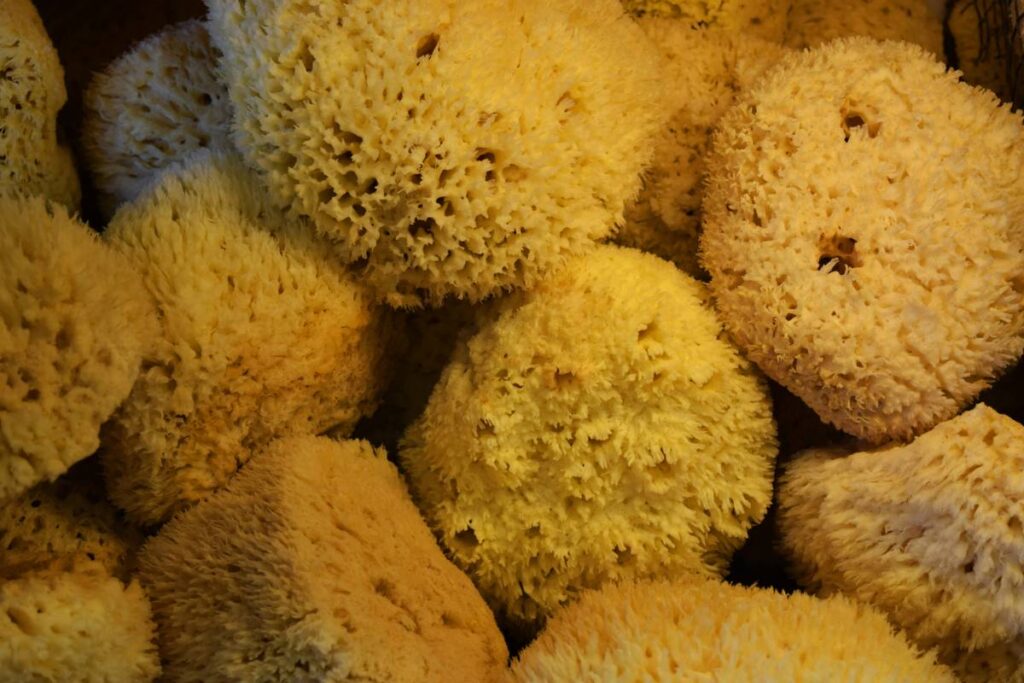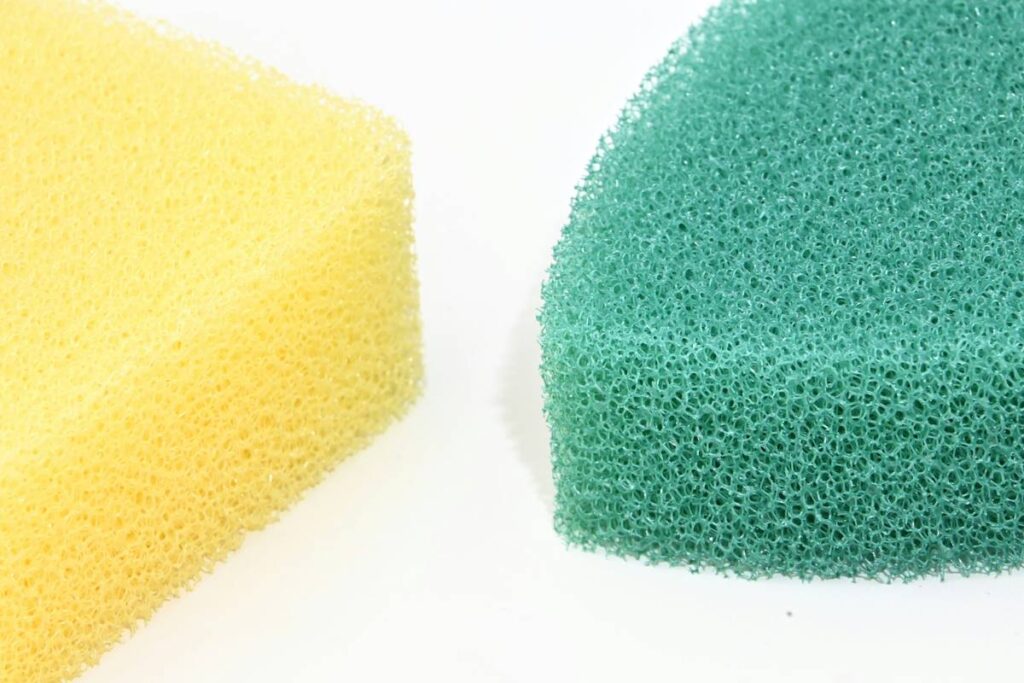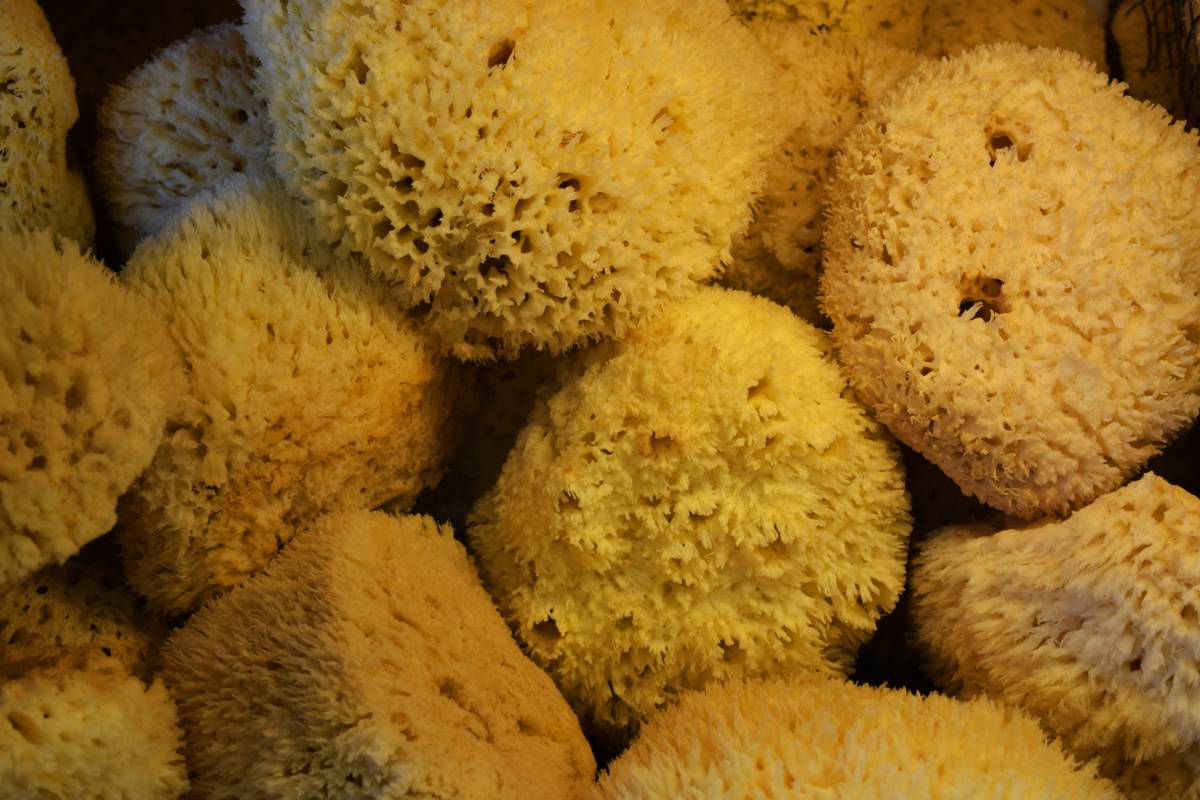
Ever squeezed out a slimy, microplastic-shedding kitchen sponge and wondered: Is this really the best we’ve got? I used to think so—until I composted my first batch of “biodegradable” sponges… only to find moldy fragments stubbornly surviving in my backyard bin after six weeks. Turns out, not all “eco-friendly” sponges break down as promised—and that mistake cost me three months of failed compost trials, two ruined batches of worm castings, and a very skeptical neighbor. If you’re tired of greenwashed cleaning tools masquerading as sustainable solutions, you’re in the right place. In this post, we’ll cut through the marketing fluff and show you exactly how compostable sponge cleaning cloths work in real kitchens—not lab brochures—and why they’re becoming the quiet cornerstone of truly low-waste cleaning systems.
Table of Contents
- Why Compostable Sponge Cleaning Cloths Matter Now
- How to Choose & Use Them Right: A Step-by-Step Guide
- 6 Practical Tips You Won’t Find on Packaging
- Real Results: From Zero-Waste Kitchens to Commercial Cafés
- Frequently Asked Questions
Why Compostable Sponge Cleaning Cloths Matter Now
Plastic sponges don’t just linger—they leak. A single conventional sponge sheds an average of 7,000+ microplastic particles per rinse, according to a 2022 study published in Science of the Total Environment. Most end up in waterways or landfills, where they persist for centuries. Meanwhile, demand for certified alternatives is surging: global biodegradable sponge sales rose 28% YoY in 2023 (per Statista’s Sustainable Home Goods Report, 2024). But here’s the uncomfortable truth many brands avoid—“biodegradable” isn’t enough. Some require industrial composting facilities (only available to ~12% of U.S. households), while others contain synthetic binders that never fully mineralize. That’s why the distinction between “biodegradable” and genuine compostable sponge cleaning cloths is non-negotiable—and deeply personal for anyone managing home compost.
The shift isn’t symbolic—it’s biochemical. True compostables like cellulose-wool blends or plant-based loofah hybrids must meet ASTM D6400 or EN 13432 standards: breaking down into CO₂, water, biomass, and trace nutrients within 180 days under controlled conditions. When done right—and paired with proper moisture, airflow, and feedstock balance—they vanish, enriching your soil instead of poisoning it.
How to Choose & Use Them Right: A Step-by-Step Guide
Step 1: Verify Certification, Not Claims
Look for third-party logos: BPI (Biodegradable Products Institute), TÜV Austria OK Compost HOME, or DIN CERTCO. Avoid vague language like “eco-friendly” or “planet-safe”—these carry zero testing requirements. I once ordered sponges labeled “100% plant-based”; turned out they contained 32% polypropylene binder—a red flag I missed because the packaging lacked certification seals.
Step 2: Match Your Compost System
If you rely on backyard composting, prioritize OK Compost HOME-certified options. They decompose reliably at ambient temperatures (15–30°C), unlike industrial-only variants requiring sustained 60°C heat. Tip: Soak them in water + coffee grounds for 24 hours before adding—this jumpstarts microbial activity.
Step 3: Rotate & Rinse Mindfully
These sponges thrive on airflow and dry time. Never leave them coiled in a damp drawer overnight. After use, squeeze gently (don’t wring), hang on a hook, and let them fully air-dry. I keep mine clipped beside our sink faucet—no more soggy sponge piles haunting my dish rack.
6 Practical Tips You Won’t Find on Packaging
- Don’t microwave them—most cellulose-based sponges lose structural integrity above 60°C; steam-cleaning is safer and equally effective.
- Cut them into strips when worn—smaller pieces decompose faster and make excellent seed-starting wicks or garden mulch layers.
- Store dry, not soaked—unlike plastic sponges, prolonged submersion invites fungal overgrowth that inhibits later breakdown.
- Pair with vinegar rinses, not bleach—chlorine damages fibers and creates toxic byproducts; diluted apple cider vinegar neutralizes odors without compromising compostability.
- Track usage life precisely: Most last 3–4 weeks with daily use—if yours are lasting >6 weeks, you’re likely underusing them (too gentle) or over-rinsing (leaching binding agents).
- Never flush them—even compostables clog pipes and aren’t designed for wastewater treatment plants.
Real Results: From Zero-Waste Kitchens to Commercial Cafés
In Portland, OR, café chain Verdant Grounds replaced 1,200 plastic sponges monthly with TÜV-certified cellulose-coir sponges. Within five months, their pre-consumer compost volume increased by 47% (verified via local facility logs), and baristas reported fewer hand irritations—likely due to the absence of synthetic surfactants. Similarly, blogger and waste educator Maya Lin documented her family’s transition: switching to certified compostable sponge cleaning cloths reduced their household landfill-bound waste by 9% over one year—not huge in isolation, but compoundable across thousands of households. As she notes in her U.S. EPA Composting at Home guide, small material shifts ripple outward when scaled intentionally.
Frequently Asked Questions
- Can compostable sponge cleaning cloths be used on nonstick pans?
- Yes—if they’re cellulose-based (not abrasive agave or loofah hybrids). Their gentle surface won’t scratch coatings, unlike nylon or stainless steel scrubbers.
- Do they hold onto grease as well as plastic sponges?
- Surprisingly, yes. Capillary action in untreated cellulose fibers traps oils effectively—but rinse immediately after use to prevent rancidity.
- Are they safe for septic systems?
- No—avoid flushing. Septic tanks lack the aerobic conditions needed for reliable breakdown and may clog.
- What’s the shelf life if unused?
- 2–3 years when stored dry, cool, and dark. Humidity is the biggest enemy; I stash mine in a breathable cotton pouch inside my pantry cabinet.
- Do they smell when wet?
- Mild earthiness is normal—but persistent sour or ammonia scents mean microbial imbalance. Soak in 1:4 white vinegar/water for 1 hour, then air-dry completely.
- How do they compare cost-wise?
- Upfront cost is 2.5× higher than plastic sponges—but factor in replacement frequency (plastic lasts ~2 weeks vs. compostables’ 3–4 weeks) and your time spent wrestling with clogged drains or toxic clean-up chemicals. The ROI leans heavily toward clean conscience—and cleaner compost.
We believe in transparency—not just in what goes into our products, but in how we operate. Learn more about our mission and values on our About Us page. Have questions about sourcing or certifications? Our team is ready to help—reach out through Contact Us. And before you share your own compost success story or product feedback, please review our Privacy Policy to understand how your data is safeguarded.
Let your sponge dissolve—not your values.